- Tomato Gallary -
This page features a collection of illustrations related to tomatoes.
What kind of plant is a tomato?
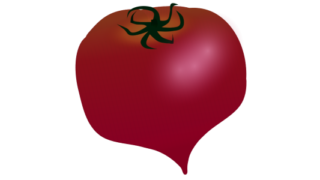
The tomato is a plant that typically produces round, red fruit. Today, its fruit is consumed as food, making it one of the quintessential vegetables. The phrase “today” is key, as tomatoes actually have a history of being too toxic to eat originally. Nutritious and visually appealing, tomatoes are a plant deeply intertwined with human history. This beloved plant, cherished worldwide, has been the subject of intense research, selection, and crossbreeding. Consequently, tomatoes boast an incredibly diverse range of varieties, arguably the most extensive among vegetables. While red tomatoes are the most recognized and classic type, they also come in various hues like yellow, orange, green, and purple. Their shapes also vary greatly, from large tomatoes to mini tomatoes, round to elongated, and even irregularly shaped ones with bumps. Moreover, even the same tomato can reveal a different appearance depending on the perspective.
Among the diverse array of plants, tomatoes come in many forms. Please feel free to browse and find the tomato variety you're looking for, one with a similar shape, or simply your favorite tomato to suit your taste. If you can't find the tomato you're seeking, or if you think, “I'd like an illustration of this tomato variety” or “It would be nice to have an illustration of this kind of tomato,” please let us know via the inquiry form. Your requests encourage us to create illustrations and we would be delighted to hear from you. Thank you for your kind consideration.
List of Tomato Illustration Pages
Below is a list of tomato illustration pages. Clicking on an illustration or its title will take you to the page where it is featured. On the illustration pages, you will find the full-size versions of the thumbnail illustrations listed below, along with versions featuring black outlines and matte finishes.
-

【FREE Vector】Mini Tomato "Puchi Puyo" Illustration (Red, Yellow, Green / Popular Variety / Food Education) (Commercial Use OK / PNG Transparent)
-
![【FREE Vector】Tomato Flower Illustration (Yellow Flower / Vegetable / Home Gardening / Structure Diagram) (Commercial Use OK / PNG Transparent)]()
【FREE Vector】Tomato Flower Illustration (Yellow Flower / Vegetable / Home Gardening / Structure Diagram) (Commercial Use OK / PNG Transparent)
-
![【FREE Vector】Pink Tomato "First Tomato" Illustration (Heart Shape / Popular Variety / Food Education) (Commercial Use OK / PNG Transparent)]()
【FREE Vector】Pink Tomato "First Tomato" Illustration (Heart Shape / Popular Variety / Food Education) (Commercial Use OK / PNG Transparent)
-
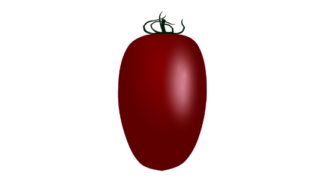
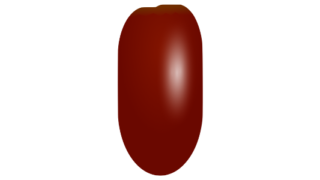
![【FREE Vector】Plum Mini Tomato "Aiko" Illustration (Popular Variety / Oval Shape / Food Education) (Commercial Use OK / PNG Transparent)]()
【FREE Vector】Plum Mini Tomato "Aiko" Illustration (Popular Variety / Oval Shape / Food Education) (Commercial Use OK / PNG Transparent)
-
![【FREE Vector】Yellow Plum Mini Tomato "Yellow Aiko" Illustration (Three Styles / Sweet Tomato / Cooking) (Commercial Use OK / PNG Transparent)]()
【FREE Vector】Yellow Plum Mini Tomato "Yellow Aiko" Illustration (Three Styles / Sweet Tomato / Cooking) (Commercial Use OK / PNG Transparent)
-
![【FREE Vector】Cross-Section Diagram of a Red Beefsteak Tomato Illustration (Internal Structure / Food Education / Vegetable Diagram) (Commercial Use OK / PNG Transparent)]()
【FREE Vector】Cross-Section Diagram of a Red Beefsteak Tomato Illustration (Internal Structure / Food Education / Vegetable Diagram) (Commercial Use OK / PNG Transparent)
-
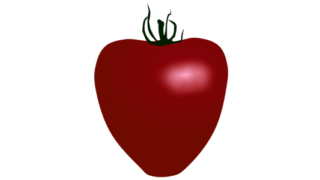
![【FREE Vector】Heart-shaped Mini Tomato "Tomato Berry" Illustration (Popular Variety / Rare Tomato / Food Education) (Commercial Use OK / PNG Transparent)]()
【FREE Vector】Heart-shaped Mini Tomato "Tomato Berry" Illustration (Popular Variety / Rare Tomato / Food Education) (Commercial Use OK / PNG Transparent)
-
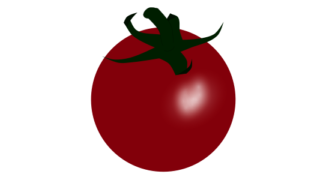
![【FREE Vector】Red Cherry Tomato (Mini Tomato / Salad Vegetable) Illustration (Summer Produce / Cooking Ingredient) (Commercial Use OK / PNG Transparent)]()
【FREE Vector】Red Cherry Tomato (Mini Tomato / Salad Vegetable) Illustration (Summer Produce / Cooking Ingredient) (Commercial Use OK / PNG Transparent)
-
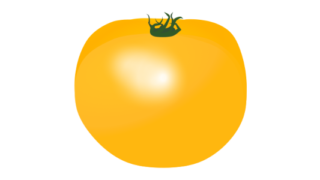
![【FREE Vector】Yellow Beefsteak Tomato Illustration (Yellow Tomato / Salad / Colorful Vegetable) (Commercial Use OK / PNG Transparent)]()
【FREE Vector】Yellow Beefsteak Tomato Illustration (Yellow Tomato / Salad / Colorful Vegetable) (Commercial Use OK / PNG Transparent)
-
![【FREE Vector】Italian Tomato (Paste Tomato / Plum Tomato) Illustration (Cooking Ingredient / Tomato Sauce / Canning) (Commercial Use OK / PNG Transparent)]()
【FREE Vector】Italian Tomato (Paste Tomato / Plum Tomato) Illustration (Cooking Ingredient / Tomato Sauce / Canning) (Commercial Use OK / PNG Transparent)
-
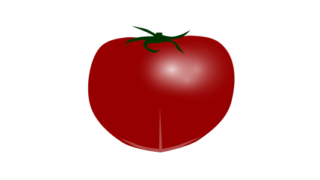
![【FREE Vector】Red Large Tomato Illustration (Top View / Stem Included / Summer Vegetable) (Outline / No Outline) (Commercial Use OK / PNG Transparent)]()
【FREE Vector】Red Large Tomato Illustration (Top View / Stem Included / Summer Vegetable) (Outline / No Outline) (Commercial Use OK / PNG Transparent)
-
![【FREE Vector】Red Quality Tomato Illustration with Star Mark (Beefsteak Tomato / Symbol of Deliciousness) (No Outline) (Commercial Use OK / PNG Transparent)]()
【FREE Vector】Red Quality Tomato Illustration with Star Mark (Beefsteak Tomato / Symbol of Deliciousness) (No Outline) (Commercial Use OK / PNG Transparent)
-
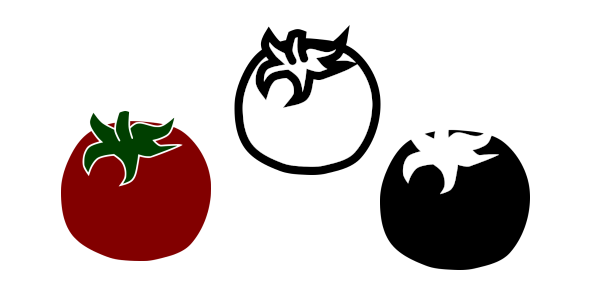
![Tomato Icons Collection]()
Tomato Icons Collection
-
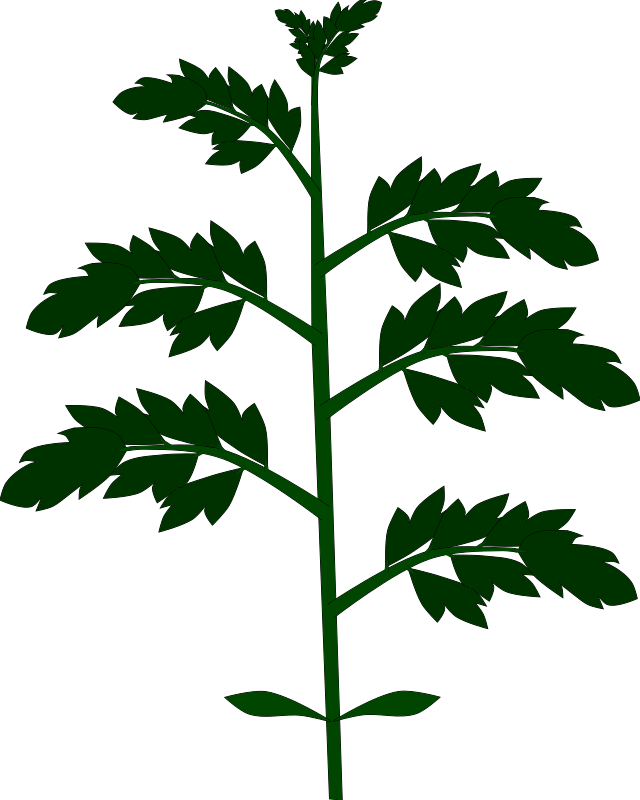
![Illustration of how tomato fruits form and side shoots]()
Illustration of how tomato fruits form and side shoots




A Little Corner for Tomatoes
Tomatoes from a Plant Classification Perspective
[Classification] Asterids > Solanales > Solanaceae > Solanum > Tomato speciesTomatoes belong to the nightshade family, meaning they are closely related to eggplants. Plants extremely similar to tomatoes within the Solanaceae family include eggplants, potatoes, pepinos, and foxface (also known as horned nightshade). Eggplants and tomatoes do share a certain resemblance in appearance, so it makes sense they're considered closely related plants. However, the idea that tomatoes are closely related to potatoes might be a bit surprising. In any case, there is a difference between the typical appearance of the tomato plant we commonly see and the appearance of these other plants. The flowers of tomatoes and these other plants are all remarkably similar, almost appearing to be just different colors.
Additionally, not only tomato farmers but also those growing tomatoes on a home garden scale should be mindful of continuous cultivation of these crops in the same location, known as continuous cropping. Planting tomatoes immediately after potatoes or planting eggplants immediately after tomatoes also falls under continuous cropping. Those planning their cultivation with continuous cropping and crop rotation in mind should definitely consider this information.
Tomatoes by Place of Origin
[Place of Origin] Andean HighlandsWhen considering where tomatoes originated as plants, it might be more accurate to say modern edible varieties come from all over the world. However, the origin of tomatoes referred to here means the homeland of the wild species. In other words, it's the place concerning ‘The origin of Tomato’. That place is the high plateau region of the Andes Mountains, specifically the Central Andes, corresponding to the area around present-day Peru. What kind of place is this Andean plateau region? It is a dry area with low rainfall throughout the year. However, atmospheric humidity remains around 70-80%, meaning the air isn't extremely dry. Tomatoes originating from such a place still exhibit traits reminiscent of their homeland, even in modern cultivated varieties. These include a tendency to dislike rainfall during cultivation and the characteristic of developing roots from the stems as they grow. When growing tomatoes, it might be interesting to cultivate them while imagining this place of origin.