- Chili Pepper Gallery -
This page features a collection of illustrations related to chili peppers.
What kind of plant is a chili pepper?
Peppers are plants that typically bear small, elongated fruits resembling green cylinders or truncated cones. While most of these fruits turn red when ripe, some varieties turn orange to yellow. The typical image of chili peppers as a fruit is that they possess a spicy flavor, used as a spice. Visually similar but lacking this spiciness are peppers like bell peppers and shishito peppers. Botanically, all belong to the same category, the genus Capsicum. This page's feature focuses exclusively on those varieties that are spicy and used as spices. This gallery page focuses on chili peppers aimed at so-called extreme heat enthusiasts. Specifically, on this website “Plant- Image,” we distinguish between varieties emphasizing heat for spice use, referred to as “chili peppers” or “chili (pepper),” and sweet varieties like bell peppers that lack heat, categorized as “paprika,” “sweet pepper,” or “bell pepper.”
Their appearance is diverse, varying not only in color but also in shape. Beyond slender forms, there are spherical, plump varieties, and even disc-shaped ones resembling UFOs or hats. Because of this, varieties are now cultivated not only for culinary use as spices but also for ornamental purposes.
The defining characteristic of chili peppers is their pungency, the very essence of these plant fruits. The intensity of this pungency varies greatly by variety, ranging from mildly spicy to levels so potent they can cause choking, akin to tear gas. This pungency comes from a substance called capsaicin. Its concentration is measured using the Scoville scale, which quantifies the level of heat. The “hot” sensation caused by capsaicin is less a taste stimulus and more a substance that triggers pain by stimulating the pain receptors. Consequently, even on thin-skinned areas of the body, contact can cause inflammation and, depending on the location, intense pain (heat). As for taste components, it also contains glutamic acid, an umami component. The balance of this contributes to the overall flavor profile and individual taste preferences. Not only the fruit but also the leaves possess a significant amount of this flavor. In some regions, local dishes utilizing the leaves can be found.
List of Chili Pepper Illustration Pages
Below is a list of chili pepper illustration pages. Clicking on an illustration or its title will take you to the page where it is featured. On the illustration pages, you will find the full-size versions of the thumbnail illustrations listed below, along with versions featuring black outlines and matte finishes.
-

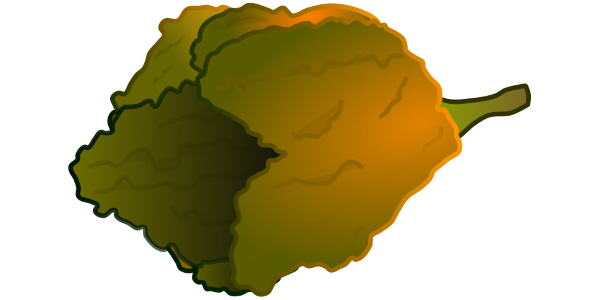
【FREE Vector】Scotch Bonnet Pepper Illustration (Orange / Super Hot Chili / Outline & No Outline) (Commercial Use OK / PNG Transparent)
-
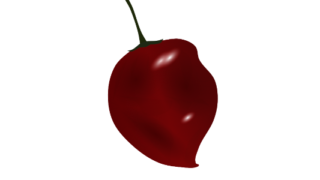
![【FREE Vector】Red Chili Pepper "Habanero" Illustration (Extreme Heat / Spice / Mexican Cuisine / Food Education) (Commercial Use OK / PNG Transparent)]()
【FREE Vector】Red Chili Pepper "Habanero" Illustration (Extreme Heat / Spice / Mexican Cuisine / Food Education) (Commercial Use OK / PNG Transparent)
-
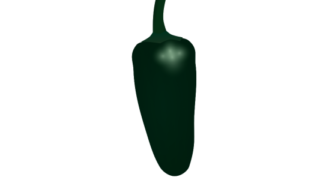
![【FREE Vector】Green Chili Pepper "Jalapeño" Illustration (Mexican Cuisine / Spice / Food Education) (Commercial Use OK / PNG Transparent)]()
【FREE Vector】Green Chili Pepper "Jalapeño" Illustration (Mexican Cuisine / Spice / Food Education) (Commercial Use OK / PNG Transparent)
-
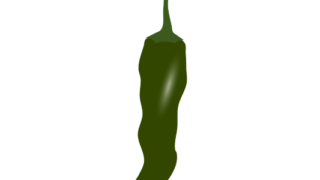
![【FREE Vector】Shishito Pepper Illustration (Sweet Chili / Summer Vegetable / Capsicum) (Outline / No Outline) (Commercial Use OK / PNG Transparent)]()
【FREE Vector】Shishito Pepper Illustration (Sweet Chili / Summer Vegetable / Capsicum) (Outline / No Outline) (Commercial Use OK / PNG Transparent)
-
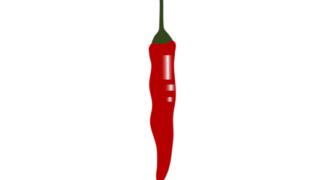
![【FREE Vector】Red Chili Pepper Illustration (Cayenne Pepper / Spicy Spice / Seasoning) (Outline / No Outline) (Commercial Use OK / PNG Transparent)]()
【FREE Vector】Red Chili Pepper Illustration (Cayenne Pepper / Spicy Spice / Seasoning) (Outline / No Outline) (Commercial Use OK / PNG Transparent)
-
![【FREE Vector】Purple Chili Pepper Illustration (Ornamental and Edible) (Commercial Use OK / PNG Transparent)]()
【FREE Vector】Purple Chili Pepper Illustration (Ornamental and Edible) (Commercial Use OK / PNG Transparent)
-
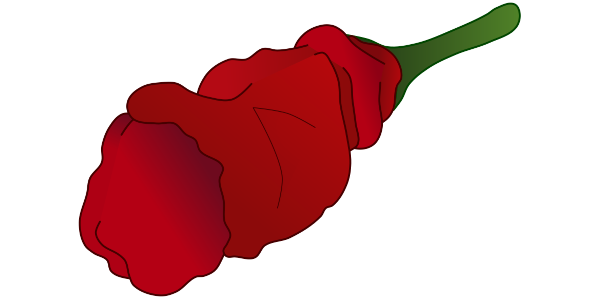
![【FREE Vector】Red Bhut Jolokia Chili Pepper Illustration (One of the World's Hottest) (Commercial Use OK / PNG Transparent)]()
【FREE Vector】Red Bhut Jolokia Chili Pepper Illustration (One of the World's Hottest) (Commercial Use OK / PNG Transparent)
-
![【FREE Vector】Black Hungarian Pepper Illustration (Ornamental Black Chili) (Commercial Use OK / PNG Transparent)]()
【FREE Vector】Black Hungarian Pepper Illustration (Ornamental Black Chili) (Commercial Use OK / PNG Transparent)
-
![【FREE Vector】Pepper X Chili Illustration (Guinness World Record - World's Hottest Pepper) (Commercial Use OK / PNG Transparent)]()
【FREE Vector】Pepper X Chili Illustration (Guinness World Record - World's Hottest Pepper) (Commercial Use OK / PNG Transparent)
-
![【FREE Vector】Red Peter Pepper Illustration (Unique & Rare Ornamental Chili) (Commercial Use OK / PNG Transparent)]()
【FREE Vector】Red Peter Pepper Illustration (Unique & Rare Ornamental Chili) (Commercial Use OK / PNG Transparent)



A Little Corner About Chili Peppers
The Pepper Plant from a Botanical Classification Perspective
[Classification] Asterids > Solanales > Solanaceae > Capsicum genus > Capsicum speciesPeppers belong to the nightshade family, meaning they are closely related to eggplants and tomatoes. However, they diverge from eggplants and tomatoes at the genus level, belonging to the genus Capsicum. The flowers are small and charming, characteristic of the Solanaceae family, similar to those of tomatoes and eggplants. However, the fruit differs noticeably from eggplants and tomatoes. While the fruit's exterior may seem relatively similar, a cross-section makes it immediately clear: eggplants and tomatoes are filled with flesh throughout, whereas chili peppers and their relatives have hollow interiors.
While this is essential for professional chili pepper farmers, even home gardeners growing chili peppers should be mindful of continuous cropping, or planting the same crop in the same location year after year. When planting chili peppers in soil previously used for other Solanaceae crops like potatoes, eggplants, or tomatoes, be cautious of the drawbacks of continuous cropping. This is because the utilization of nutrients in the soil and the attraction of similar pests can become problematic. Those planning their cultivation with crop rotation or rotation systems should definitely consider this information.
Additionally, in tropical regions, it grows as a perennial plant, with the main stem becoming woody. Consequently, in some areas, it is cultivated like a garden shrub, and people enjoy picking it for meals as they go.
Chili Peppers by Place of Origin
[Origin] Tropical America, around MexicoWhere did chili peppers originate? While it might be more accurate to say modern varieties specialized for food and spice are cultivated worldwide, the origin of tomatoes referred to here means the homeland of the wild species. In other words, it refers to the place concerning ‘The origin of Chili Pepper’. This is said to be tropical Central and South America, around present-day Mexico. Around the late 15th century, during the Age of Exploration, chili peppers brought back to Spain by Christopher Columbus's expedition spread throughout Europe from there. Later, via the Silk Road, they reached Asia, including India and China. Before this, pepper held such importance in India that it was sometimes valued as highly as gold, becoming an indispensable spice synonymous with the country. However, after chili peppers were introduced, India transformed into the world's largest producer of chili peppers, fundamentally altering the very axis of its culinary culture.
Whether adding a spoonful of spice to your cooking or tending chili plants in a corner of your garden, it might add a touch of fascination to your experience to remember that chili peppers were revolutionary figures in the world of spicy spices.